
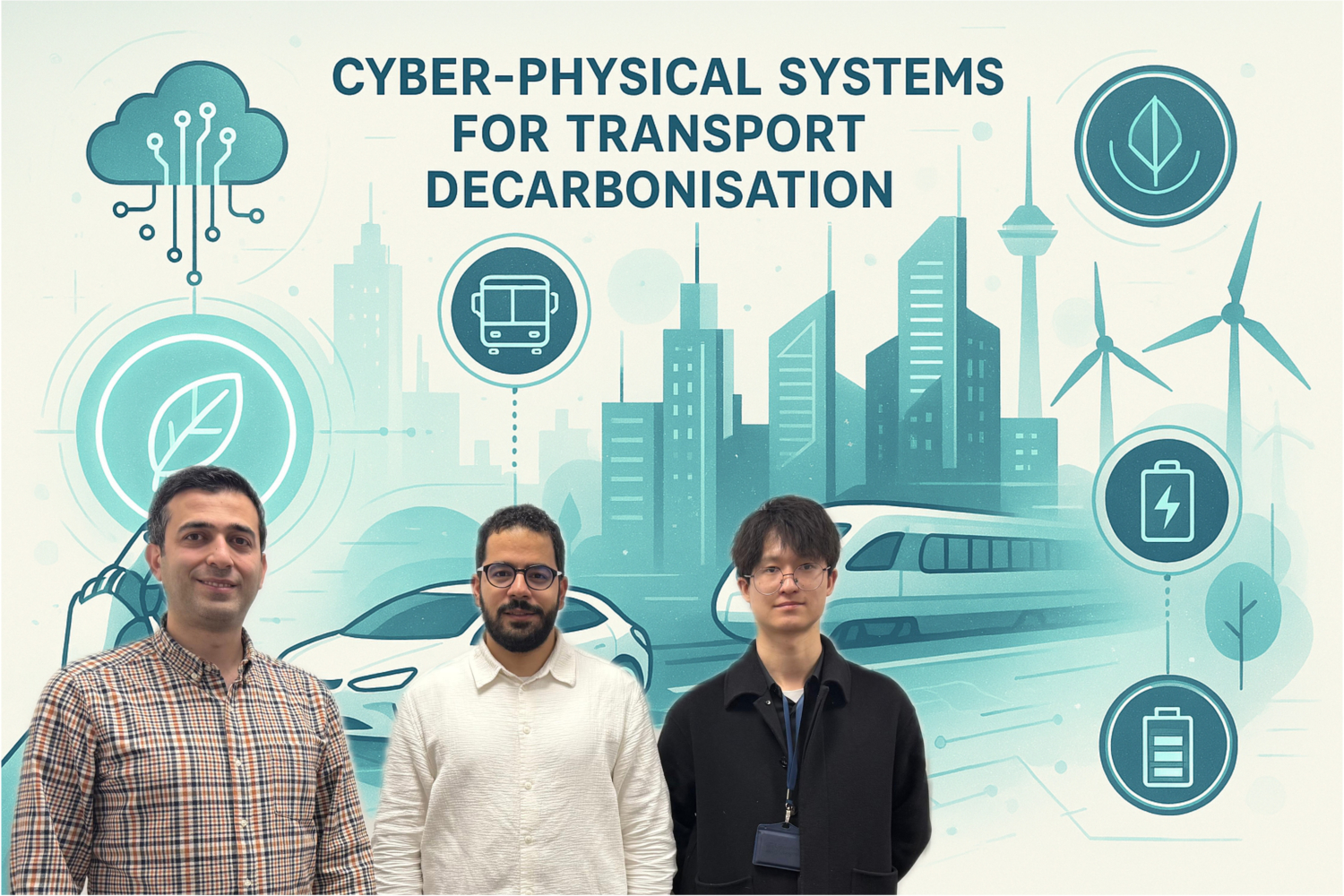
What are cyber-physical systems and why do they matter?
Three of our researchers and cyber-physical experts at the University of Glasgow explain why cyber-physical systems are critical to TransiT’s work. Dr Ahmad Taha, Dr Mohammad Alquraan and Dr Runze Cheng are working with TransiT’s Work Package 3. This is investigating cybersecurity and connectivity challenges to ensure that data can be shared securely and reliably in a federated system of digital twins – a network of connected digital twins.
What are cyber-physical systems?
In very simple terms, a cyber-physical system is a bridge between the physical world and the digital world. A cyber-physical system uses sensors to monitor or watch what’s happening around it. This might be monitoring a car’s speed, or traffic. That information is then fed back to a computer, for processing and decision-making.
Why are cyber-physical systems important to TransiT?
To achieve decarbonisation, we need to understand our current transport system and collect information about it. Specifically, the key factors that positively and negatively affect transport decarbonisation. Cyber-physical systems are critical, because they provide this data and the connectivity backbone between the physical and digital worlds to build these digital twins for different transport systems.
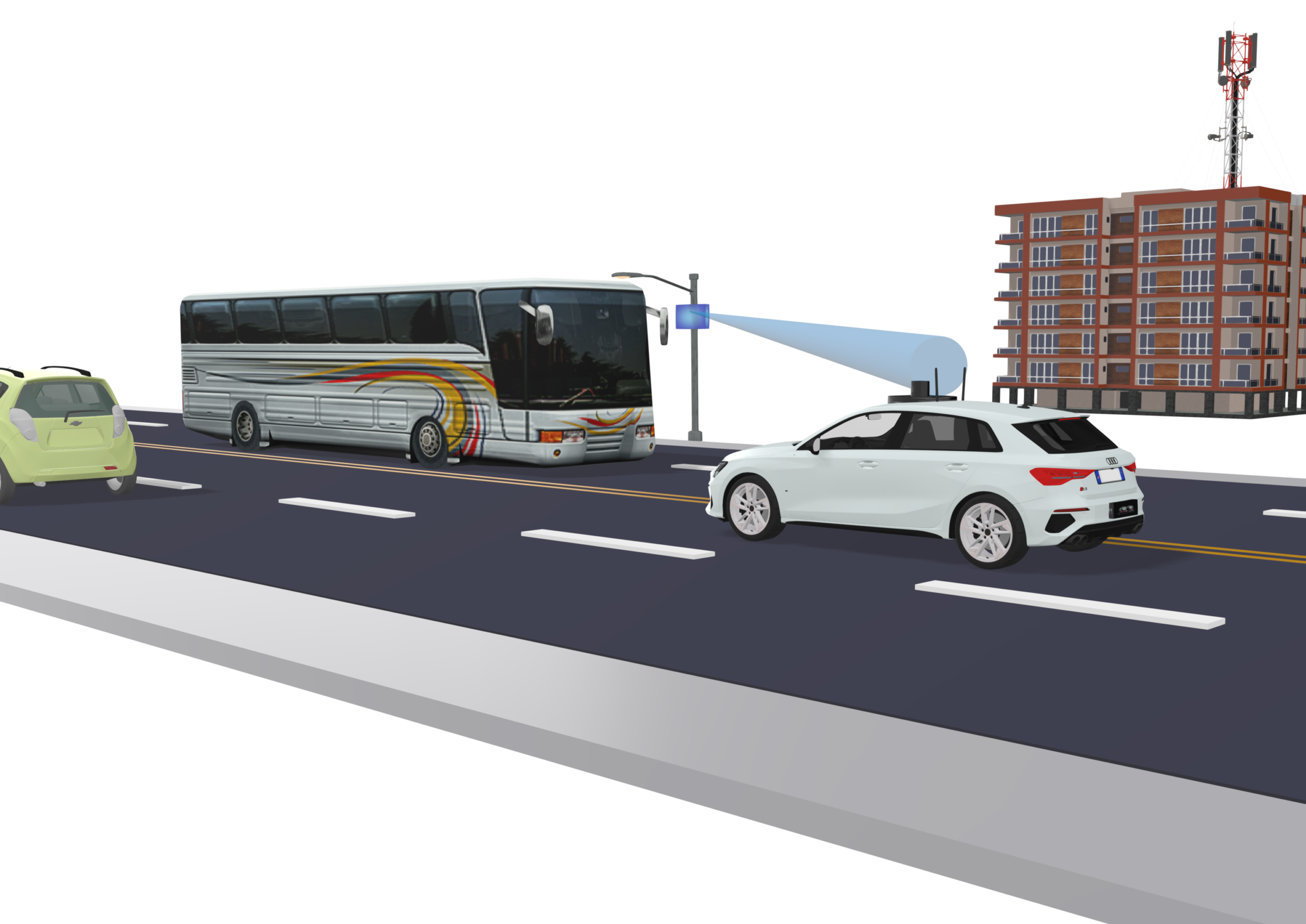
A graphic from the team’s research system model.
What kind of sensors are used in cyber-physical systems?
There are sensors to detect flows of traffic or people. There are in-car sensors that track factors like speed, fuel use and even driving behaviour. There are also light or camera sensors like RGB (red, green and blue) or LiDAR (Light Detection and Ranging) sensors that can help to detect objects on or near the road. Other sensors can detect the weather, humidity, air quality and temperature. These sensors can be on different kinds of vehicles, including heavy good vehicles, cars or cargo vessels. Sensors can also be embedded in road or track surfaces, or in other transport infrastructure, like traffic lights. By collecting and analysing this data, cyber-physical systems help us better understand and predict what’s happening in the real world.
Dr Ahmad Taha
What’s your role at TransiT and what does this involve?
Dr Ahmad Taha
I’m a lecturer in autonomous systems and connectivity here at the University of Glasgow and I’m one of TransiT’s Co-Investigators. I’m working with TransiT’s Work Package 3, leading the connectivity work. This involves looking at different telecommunication technologies – for example mobile communications – to support and enable digital twinning. My background is in electrical, electronics and systems engineering and my specialism is cyber-physical systems.
Dr Mohammad Alquraan
Dr Mohammad Alquraan
I’m a Research Associate at University of Glasgow working on the connectivity aspects of the TransiT project.
My focus is on how different transport assets like vehicles, sensors and infrastructure can be connected through reliable communication systems to share data efficiently.
My background is in wireless communications, Internet of Things, machine learning and also cyber-physical systems. During my PhD, I focused on communication networks to support large-scale and data-intensive systems. This included how artificial intelligence and machine learning can be used to optimise communication networks.
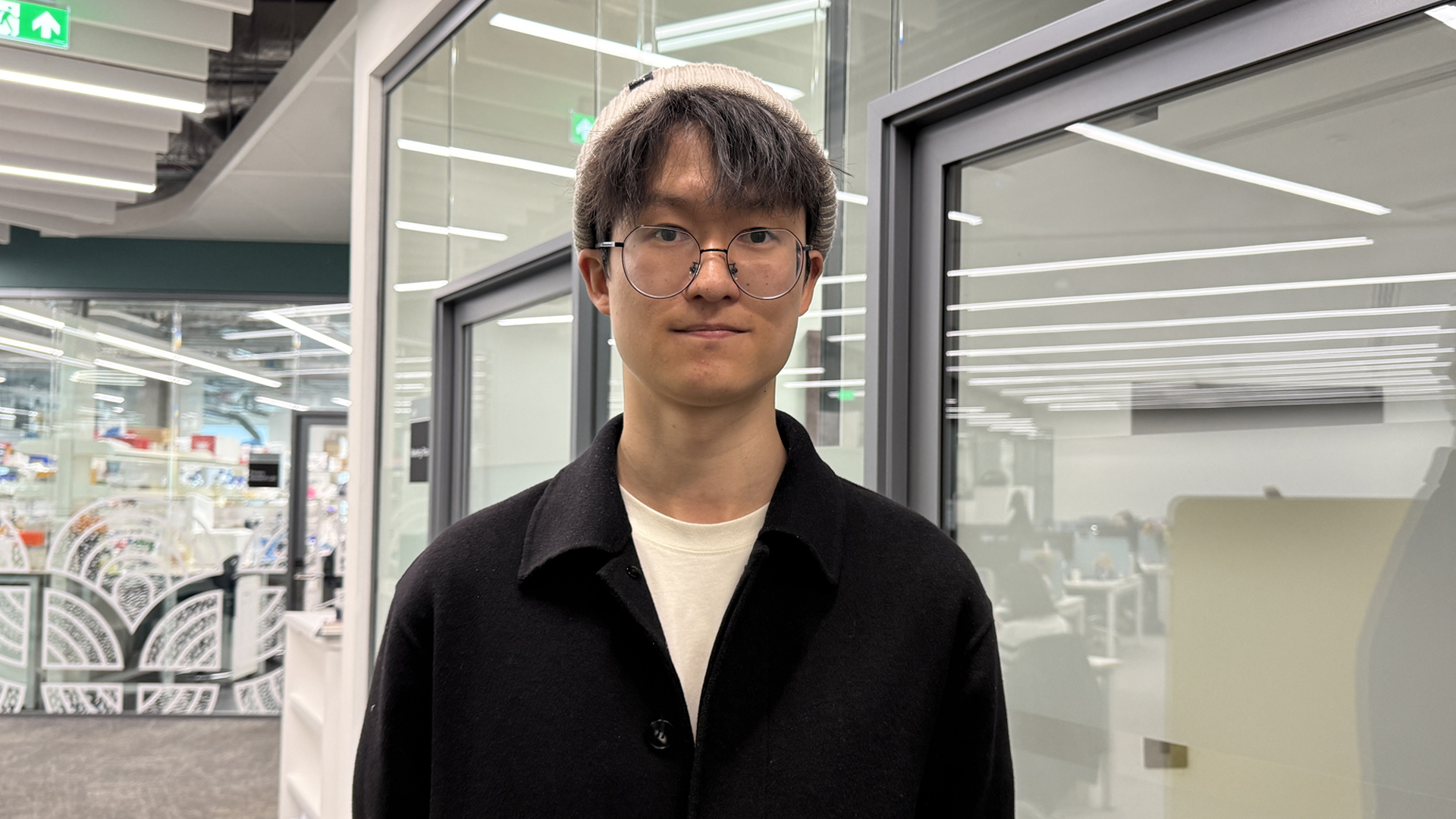
Dr Runze Cheng
Dr Runze Cheng
I’m a Postdoctoral Research Associate in TransiT and I’m part of Work Package 3, which focuses on connectivity. My research is focused on intelligent resource management for next generation wireless networks. Basically, this involves using machine learning techniques to solve problems related to communication, resource management or location-based challenges, like having enough bandwidth, computing power or energy in an area for our digital twins to operate. So my role in WP3 is basically a connectivity testbed to research and develop solutions to ensure that all physical systems in a digital twin can connect to the network.
What would you like to achieve at TransiT?
Dr Ahmad Taha
My ultimate goal is to support TransiT in becoming a national digital twinning hub via our research into cyber-physical systems. Digital twins can’t exist without data and telecommunication, so our area of research is key to enabling them.
Dr Runze Cheng
My goal is to build a reliable connectivity simulation tool help us to evaluate and optimise how different physical systems connect or communicate within transport networks. This would make the data easier to transmit and make it more reliable.
Dr Mohammad Alquraan
I hope to contribute to building the technological foundation for a national digital twin of the UK transport system, which connects different modes of transport into a unified and intelligent kind of framework.

