
Our Passenger Transport Demonstrator is one of TransiT’s place-based demonstration projects, and spans three transport modes – rail and road (both private and public transport) and ‘active travel’, like walking and cycling.
Location
This demonstrator is focused on the West Midlands Combined Authority Area, which has a growing population of around 3 million people across 18 local council areas.
Transport services in the region include a bus network, rail services and a tram system carrying more than 8 million passengers a year. But most journeys in the West Midlands are still made by private car.
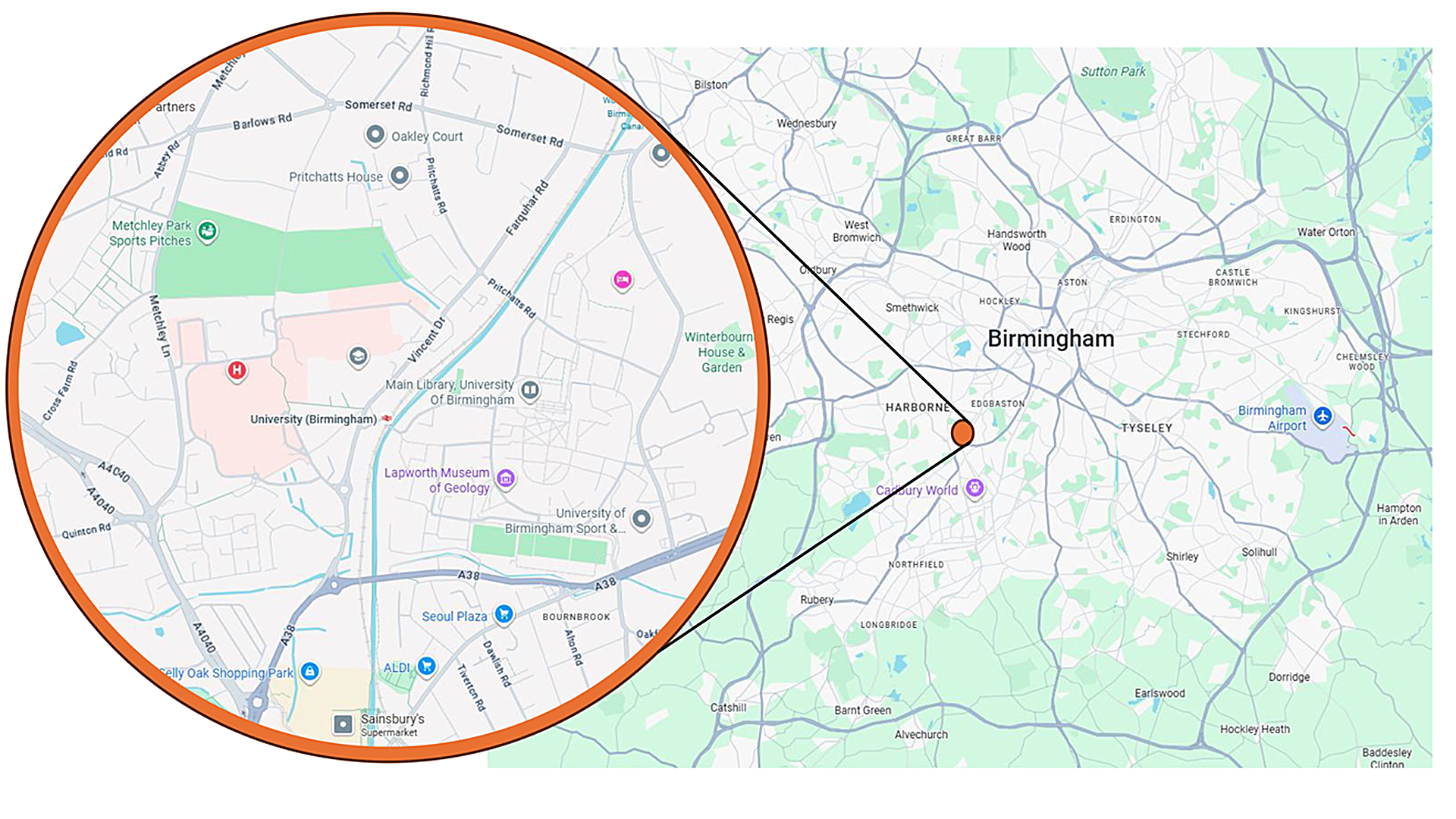
A travel to work focus area in Birmingham.
Partners
Our industry partners in the Passenger Transport Demonstrator are engineering consultancy WSP, Transport for West Midlands – the public transport authority for the West Midlands, the transport improvement body Midlands Connect and rail infrastructure manager Network Rail.
Our university partners in this demonstrator are Durham University, University of Birmingham and Heriot-Watt University.
What’s the challenge?
Our key research challenge in the West Midlands is how to encourage a significant shift away from car use towards public transport and active travel choices like walking and cycling. The complexities of this challenge include:
- Personal travel choices are highly individual, fragmented and difficult to predict or model
- Increasing public transport could have its own impact on the environment
- How to integrate train, bus and tram services to make public transport more seamless
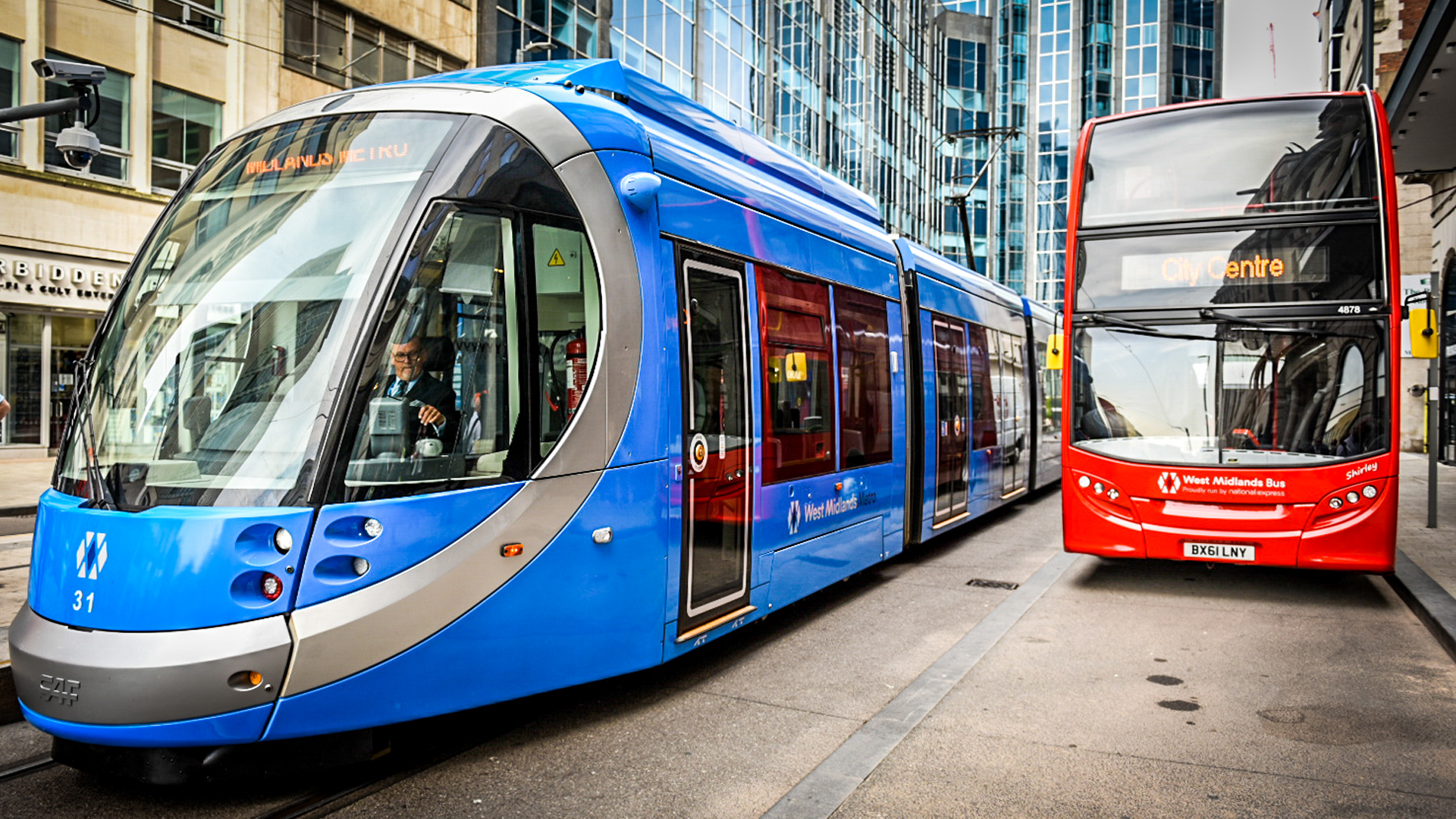
A West Midlands tram and bus. Photo by Transport for West Midlands / West Midlands Combined Authority.
How is the demonstrator addressing this?
Our Passenger Transport Demonstrator is using digital twinning and associated technologies to understand these challenges, so that policymakers and transport planners can better identify what interventions might shift travel behaviour.
Using sophisticated simulation tools, our progress so far includes:
Integrating two distinct simulator packages, MATSim (a multimodal tool with a strong emphasis on road and active travel modes) and BRaVE (a specialist railway simulator), so we can model and understand journeys across multiple transport modes, including trains, buses, cars, trams, cycling and walking
Developing a detailed simulation of local bus routes to help us calculate energy usage and emissions, and to integrate bus services across multiple operators and timetables
Combining artificial intelligence with national transport data to help us better understand how transport users make travel choices
Detailed analysis of how people get to work in Birmingham, by combining multiple data sources and transport modes
Developing a formal framework to help local authorities and transport planners identify how and where to use digital twinning tools
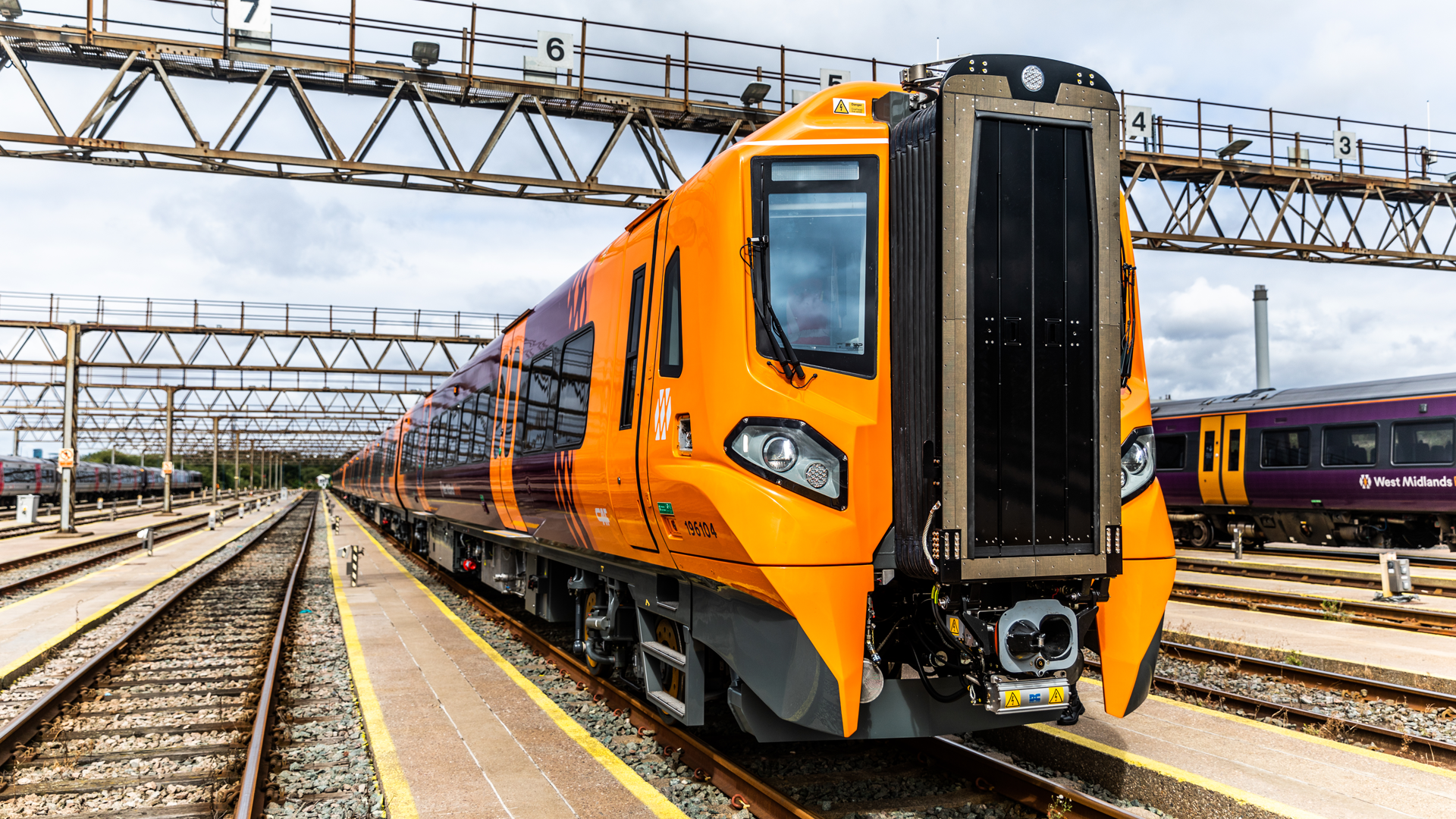
A West Midlands Trains service. Photo by West Midlands Combined Authority.
What are the next steps?
Our next steps include:
- Collecting more data to enhance our simulations
- Further developing and testing our simulation tools
- Engaging with more local stakeholders, including policy teams, transport operators and passenger groups
How can I find out more?
For more information on TransiT, you can browse our website or get in touch via the Contact Us page.
For industry engagement enquiries, you can contact our lead Co-Investigator for this demonstrator, Clive Roberts, or our stakeholder engagement manager Adam Kesby.