
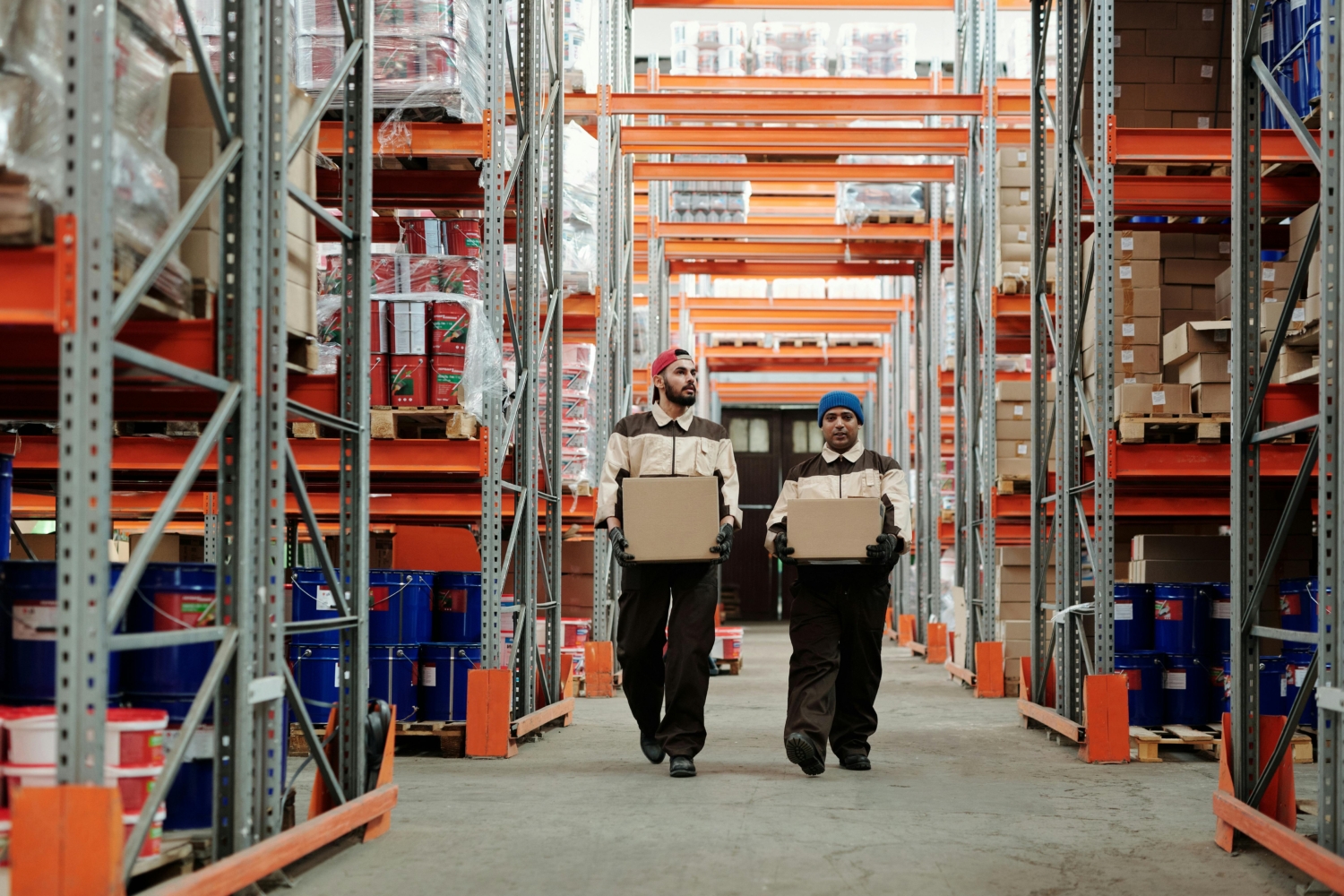
Helping humans get ready for digital twins
Muhammad Shujaat Mubarik is a logistics and supply chain expert and a TransiT researcher focused on human factors. We asked him about his work.
What’s your role at TransiT and what does this involve?
My core expertise is in supply chain resilience and decarbonisation, and within TransiT I work in our human factors research group, called Work Package 2. This is all about how people interact with transport systems and how they make decisions about travel and freight – and how that behaviour can be represented inside our digital twins. In that context, my role is to focus on the people side of digital twins for freight decarbonisation. I am leading the development of a practical tool that will help organisations (such as logistics service providers, rail and road operators, ports, and public bodies) assess how ready their workforce is to adopt and make full use of digital twins.
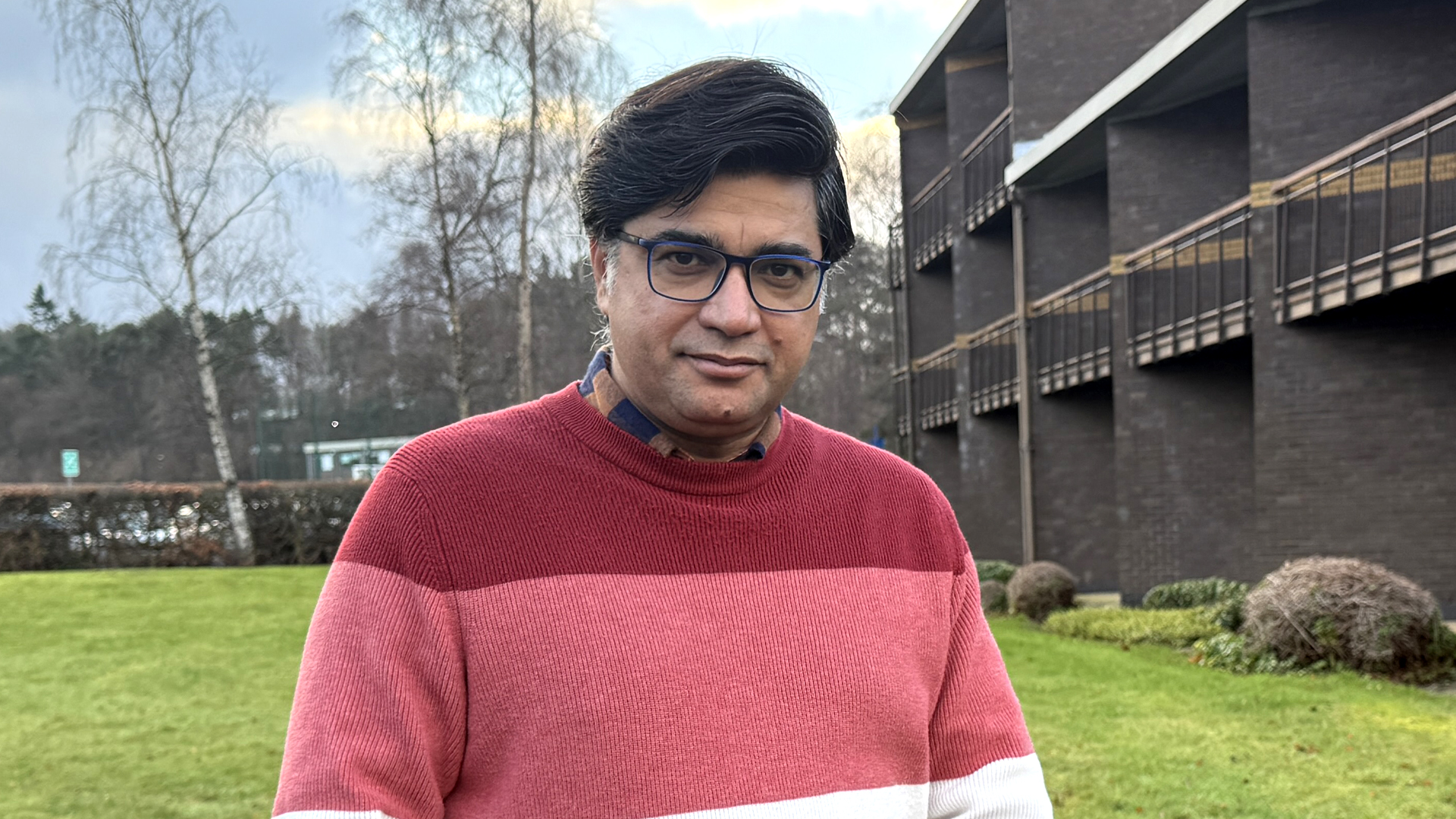
Dr Muhammad Shujaat Mubarik
What is human capital readiness and why is it important?
Human capital readiness is about whether an organisation’s people have the skills, capabilities and mindsets needed to work effectively with digital twins. It goes well beyond “Do we have enough data scientists?” to include planners, operators, managers and policymakers who can understand how the twin represents the real transport system – and can trust and interpret the scenarios it generates and integrate those insights into day-to-day operations and long-term decisions.
Digital twins are increasingly seen as critical infrastructure for decarbonisation, from national transport planning to initiatives like the European Digital Twin of the Ocean that inform marine policy and infrastructure. In parallel, the UK government is formalising what digital twins are and investing in related technologies, including quantum, which makes human capital readiness even more important.
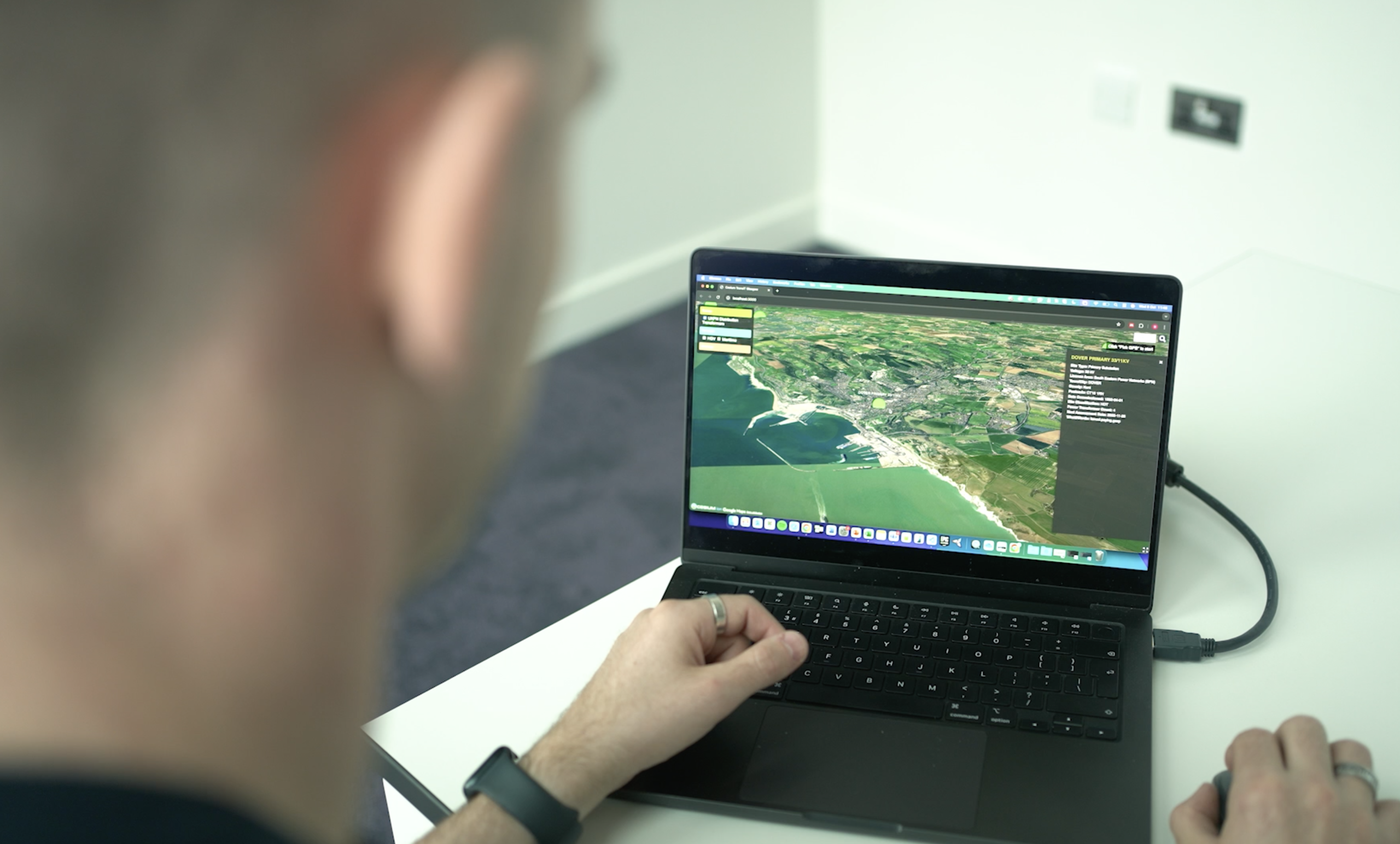
TransiT researcher Daniel Mitchell accessing UK Power Networks Datasets within his visualisation dashboard at the Port of Dover as part of his digital twinning research.
Tell us about the Human Capital Index you’re developing?
We began by carrying out a comprehensive review of the academic and practitioner literature to see what already exists in terms of tools to measure human capital readiness for digital twin adoption. What we found is that, while there are frameworks for digital skills and for technology readiness more broadly, there is very little that speaks specifically to digital twins in complex systems like transport. That gap has motivated us to design a Human Capital Readiness Index tailored to this context.
The Index aims to answer a simple question: What kind of human capital do you need to successfully adopt and leverage a transport digital twin, and where are your current gaps? To do this, we focus on both technical skills (data analytics, AI, cybersecurity, modelling and decision-support) and behavioural strengths like problem-solving, managing information overload, collaboration, openness to data-driven decisions, and cultures of experimentation and learning.
Digital twins can generate a rich flow of information, which is powerful but can also be overwhelming. If employees aren’t equipped to filter, prioritise and act on that information, the twin may become a source of noise rather than insight. That’s why our Index is designed to capture not just “can people operate the tools?” but “can they use the insights to make better, faster and more sustainable decisions?” A PhD researcher has joined our team to work on this Index. So, together we aim to create a diagnostic instrument that organisations can use as a gap-analysis tool.
What’s your background in this area?
I’m an industrial economist by training, with about two decades of experience looking at industrial value chains, decarbonisation and resilience, and the human factors that sit behind them. I have worked on few mega research projects in Malaysia, Pakistan and Canada. Earlier in my career, I served as Dean of a business school in Pakistan and hosted TV programmes on business and economics, which gave me a strong appreciation of how policy, business practice and public understanding interact.
My research work has focused on how human capital, innovation and digital technologies reshape supply chains. I published a book with Routledge titled Human Capital, Innovation and Disruptive Digital Technology, where we proposed methodologies for constructing a Human Capital Readiness Index for technology adoption more generally. We are now adapting and extending those ideas for the specific challenges of digital twins in transport. Alongside my work at TransiT, I am an Associate Professor of Logistics and Supply Chain Management at Edinburgh Business School, part of Heriot-Watt University’s School of Social Sciences in Edinburgh.
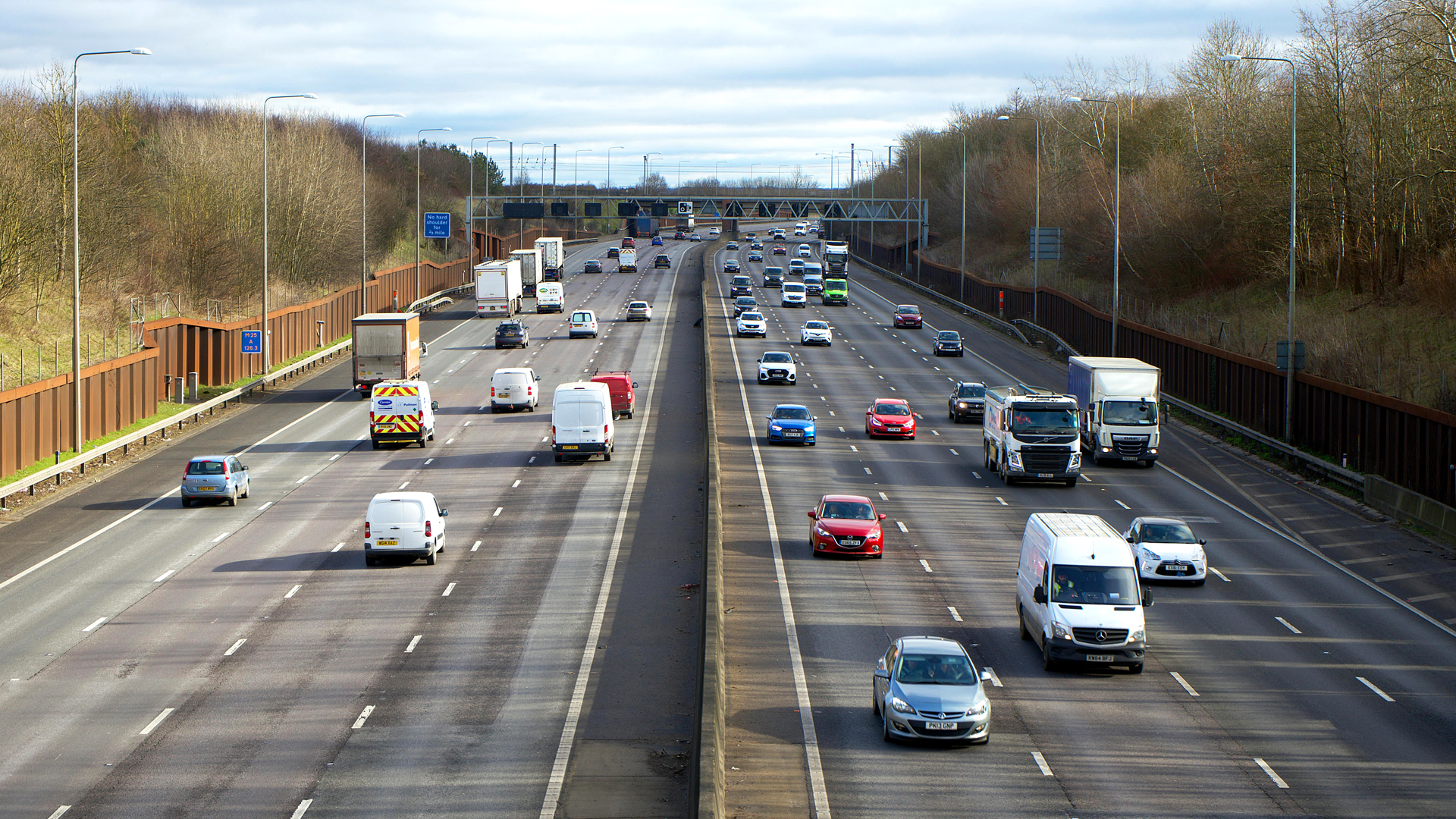
TransiT’s digital twinning research is focused on decarbonising transport in the UK. Photo by Mike Birdy on Pexels.
What do you hope to achieve at TransiT?
TransiT is making a major investment in digital twinning to help decarbonise UK transport in a way that is affordable, resilient and fair. My aspiration is to make sure the human side of that story is not an afterthought. I hope that the Human Capital Readiness Index and the broader work of our TransiT human factors work will:
- help organisations understand what kinds of skills, behaviours and structures they need to use digital twins effectively
- support them in designing training, recruitment and change-management programmes that build those capabilities
- ensure that the sophisticated digital twin tools developed in TransiT are fully integrated into real operational and policy decisions, rather than remaining pilot projects or isolated experiments.
In the longer term, I see this work as laying foundations for the “next wave” of technologies – including AI-enabled and, eventually, quantum-enhanced digital twins – where the ability of humans to trust, govern and work alongside these systems will be even more critical. If TransiT can demonstrate not just what a transport digital twin can do, but how people and organisations can use it well, we will have created a model that other sectors can adapt in the years ahead.

