
Supporting resilience in our transport infrastructure
Emine Zehra Akgün is a TransiT researcher based at Heriot-Watt University in Edinburgh with specialisms in transport policy and urban freight. We asked her about her work.
What’s your role at TransiT and what does this involve?
I’m a researcher at TransiT and also at TransiT’s sister research hub, DARe, which stands for Decarbonised Adaptable and Resilient Transport Infrastructures. While TransiT’s focus is how digital twinning can help to decarbonise transport, DARe is more focused on understanding and enabling a decarbonised transport system that is resilient and adaptive to our changing climate.
My main research area is transport policy, especially in the context of urban freight transport. And in both roles, my work is around helping policymakers to understand current infrastructure resilience, and also forecasting future potential scenarios, so we can implement more effective and efficient policies.
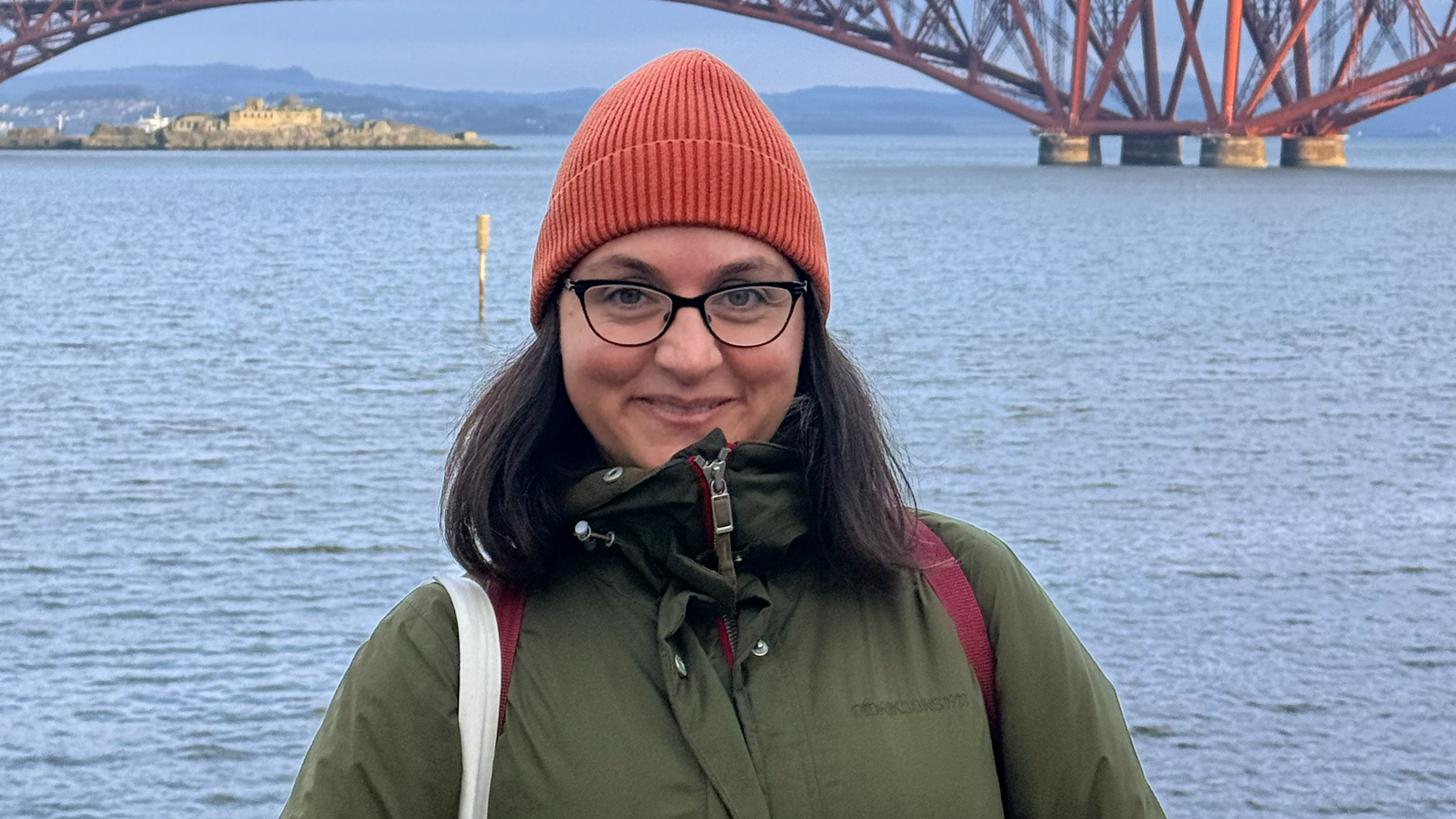
TransiT researcher Emine Zehra Akgün.
What are you working on currently?
At DARe, we are developing a set of open-source resources to help decision-makers evaluate and stress-test transport infrastructure across road, rail, and active travel.
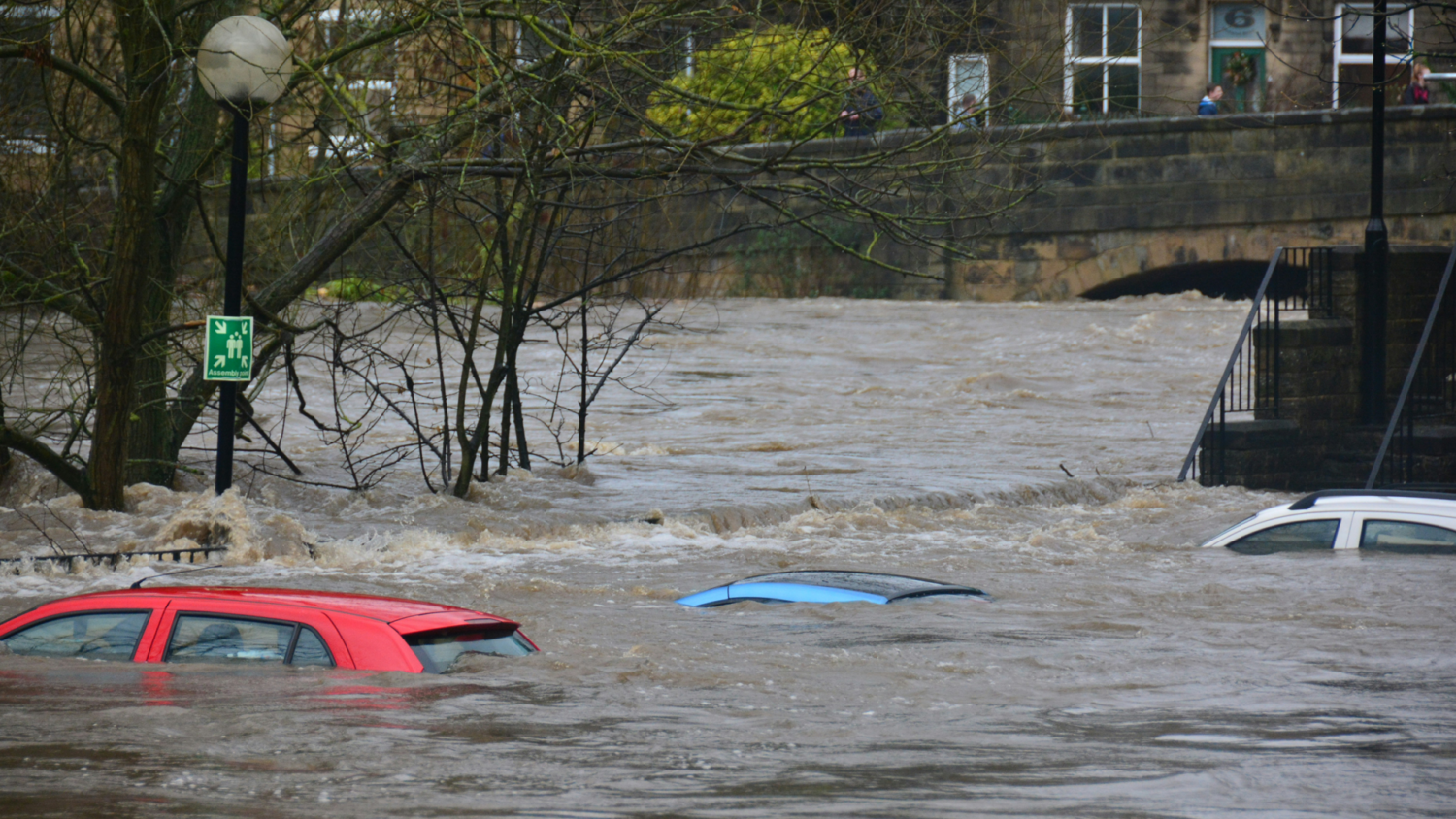
For example, one of our case study areas is Cambridgeshire, where stresses on the transport system include congestion, deteriorating infrastructure and flood risk. Our Decision Support Platform is designed to bring together the different decision-makers in an area to understand these problems – and how they’re interlinked – and to explore intervention options.
At TransiT, my work builds on this ‘systems thinking’ approach to understand the different systems within transport, and how they’re all interdependent. For example, in a transport corridor, there are roads, vehicles and people getting from A to B. If you close that road and redirect traffic, what impact does that have on commuters and other types of transport?
TransiT’s digital twinning tools can also help us better understand different climate change scenarios. For example, wind is one of the most destructive weather events for electric vehicle charging infrastructure. Using digital twin simulations, we can explore, for instance, what an electric truck driver in the Highlands might do if wind has cut power to vehicle charging stations. Logistics managers need this information to keep their operations running. And we can also better understand the interdependencies between decarbonised electric transport and the energy system.
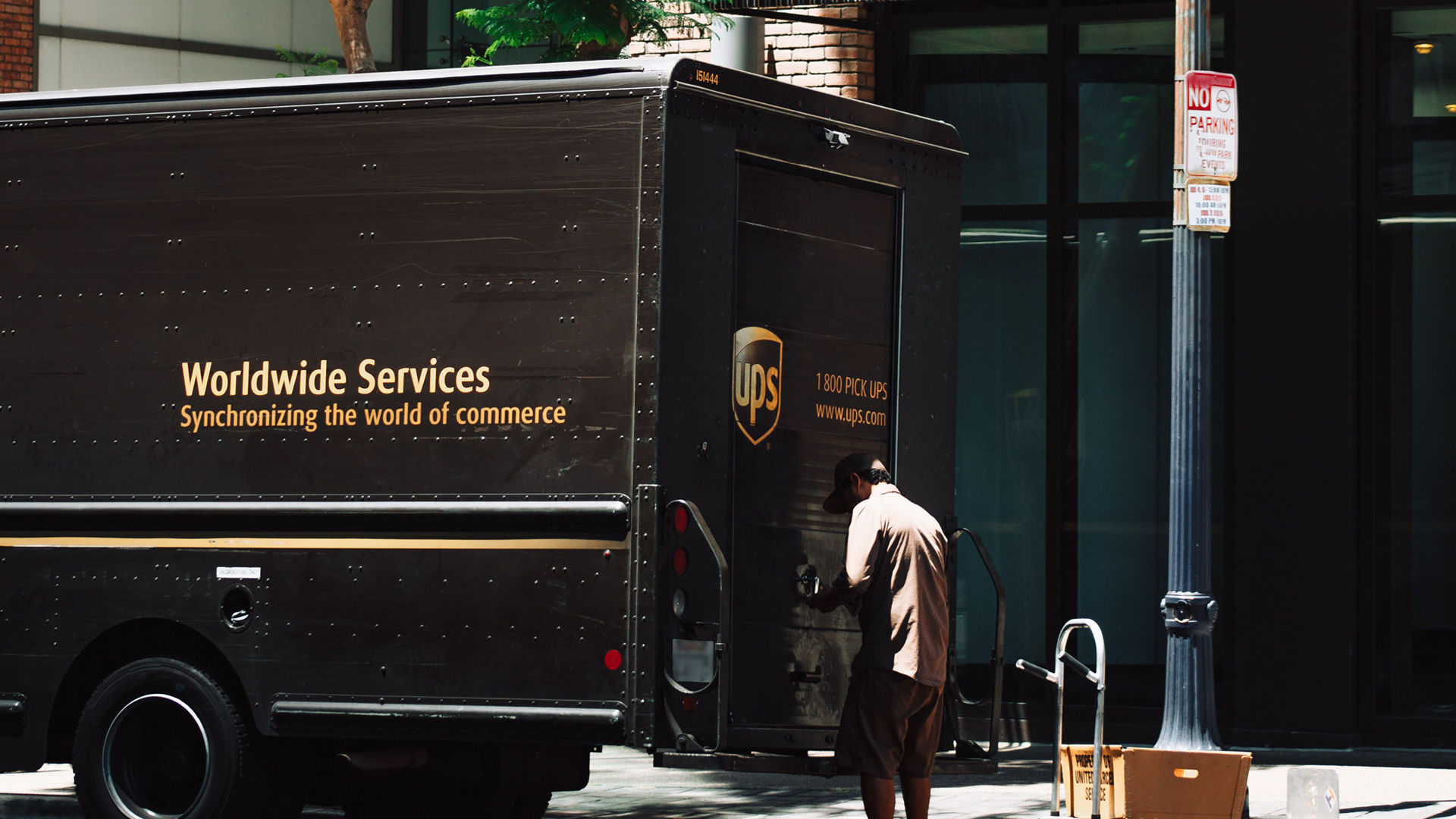
A city delivery courier. Photo by Thom Gonzalez on Pexels.
What’s your background?
I have a Bachelor of Science degree in Logistics Management from Izmir University of Economics in Turkey and did my Masters degree in International Logistics and Supply Chain Management at Jönköping University in Sweden. Then I came to Scotland to do my PhD in Transport Policy and Urban Freight Transport at Edinburgh Napier University.
Urban road freight transport – which covers the ‘last mile’ delivery of goods – has always been the main focus of my research. So, I look at freight movements in cities from the perspective of public sector organisations like local councils. I explore any measures, interventions or regulations those organisations have developed to organise freight flows – and whether these are helping them to achieve their local or national transport objectives.
What do you hope to achieve at TransiT?
I would like to bring together my knowledge of transport policy and systems thinking to create a better understanding of where transport policy is successful or unsuccessful. I would also like to show how technologies like digital twinning and agent-based modelling* can be incorporated into transport policy and policy-making processes. Because I think these kinds of tools can help policymakers to make more research-informed and data-informed decisions.
*Agent-based modelling is a computer simulation technique that models how individual agents – people or things – interact with each other and their environment.

